Your Complete Guide To Selecting A Dump Truck For Construction And Mining
Choosing the right dump truck isn't just about buying a vehicle; it's a critical capital investment that directly impacts your project's productivity, safety, and bottom line. The wrong choice can lead to constant downtime, skyrocketing operating costs, and missed deadlines. This guide breaks down the five key considerations to help you select a dump truck that's not just powerful, but perfectly matched to your specific job site and material demands.
1. Power Source: The Heart of Your Operation
The debate between traditional and new energy is central to modern fleet planning. Your choice dictates fuel costs, environmental compliance, and performance.
Internal Combustion Engines (Diesel/LNG): Ideal for extreme, high-power-demand scenarios like heavy-load mining and long hauls on steep grades. For instance, giant mining dump trucks with payloads of 400 tons rely on high-horsepower diesel engines. Modern engines paired with AMT transmissions offer robust power for full loads on challenging terrain.
Electric & New Energy: This is the rapidly growing frontier. Battery-electric and hydrogen fuel cell models offer significantly lower operating costs, reduced noise, and zero on-site emissions, making them perfect for urban construction, ports, and controlled mining areas. The industry is shifting fast, with the penetration rate of new energy dump trucks in China projected to surpass 40% in 2025. Their instant torque is excellent for frequent start-stop cycles.
2. Structural Integrity & Payload Capacity
A dump truck's frame and body must withstand relentless punishment. Look beyond the advertised tonnage.
Chassis and Frame: This is the backbone. For high-intensity cycles in foundation or mining work, seek reinforced designs. Some leading models feature frames with 30% higher load-bearing capacity and rear suspensions with 25% increased stiffness to handle constant heavy loads and uneven ground.
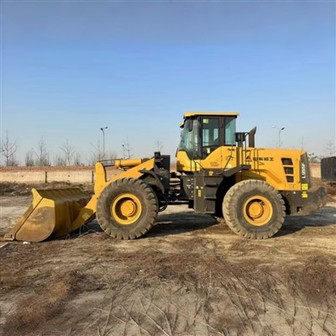
Body and Match to Loading Tool: The truck body must be sized for your excavators or loaders. For optimal efficiency, the body volume should maintain a 1:4 to 1:6 ratio with the loader's bucket capacity . The body must also be built from high-strength, abrasion-resistant steel, especially for harsh materials like mining ore or demolition debris.
3. Safety and Unloading Performance
Efficient, stable unloading is where productivity and safety intersect.
Hydraulic System: This controls the lift. Key metrics include lift angle (mining trucks can reach 70° for a clean dump) and lift/lower time (as fast as 15-25 seconds ). A reliable, high-pressure system (25-35 MPa is common) is vital for non-stop cycles.
Stability Systems: To prevent dangerous tip-overs, especially on uneven ground, advanced systems are critical. Look for features like solid front/rear anti-roll bars, adjustable suspension , and even retractable outriggers that deploy during dumping to create a wider, safer base.
Advanced Driver Assistance (ADAS): Modern trucks offer tech like Hill Start Assist (HSA), Lane Departure Warning (LDW), and Autonomous Emergency Braking (AEB) to prevent accidents caused by driver fatigue or blind spots, safeguarding both personnel and assets.
4. Total Cost of Ownership (TCO) and Job Fit
The purchase price is just the beginning. Smart selection minimizes lifetime costs.
5. The Future: Intelligence and Automation
The next generation of dump trucks goes beyond transport.
Telematics and Fleet Management: Real-time data on location, fuel use, idle time, and engine health allows for optimized routing, maintenance scheduling, and cost control.
Driverless Technology: For repetitive, high-risk routes in controlled environments like mines or large-scale earthworks, autonomous dump trucks are a reality. They maximize uptime and eliminate human risk in hazardous areas.
Making Your Final Decision
Start by conducting a thorough analysis of your specific operational scenario. Create a shortlist of models from manufacturers known for reliability and strong after-sales support in your region. Always request a demonstration with your actual material on your site's terrain. Finally, scrutinize the warranty and the local service network's capability-prompt, expert support is invaluable.
By systematically evaluating these five pillars-Power, Structure, Safety, Cost, and Technology-you transform a complex purchase into a strategic investment that will drive your project's success for years to come.
Always consult directly with manufacturers and dealers for the most accurate specifications, compliance information, and pricing tailored to your exact needs and region.