

Product overview
Wheeled excavators are mobile construction machines used for excavation, road maintenance, utility installation, and material handling. Their wheeled undercarriage can suit projects that require frequent movement between work areas on suitable firm surfaces.
For distributors and importers
Select models according to operating weight, engine configuration, attachment compatibility, and destination-market requirements.
For contractors and rental companies
Evaluate digging range, lifting requirements, machine dimensions, ground conditions, and road-travel needs before selecting a model.
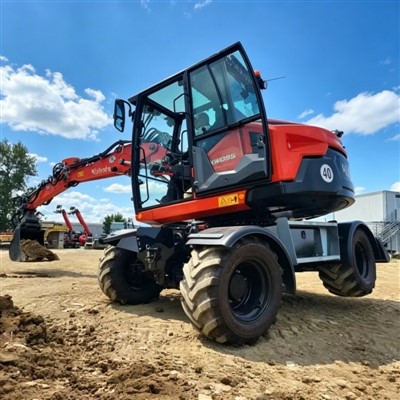

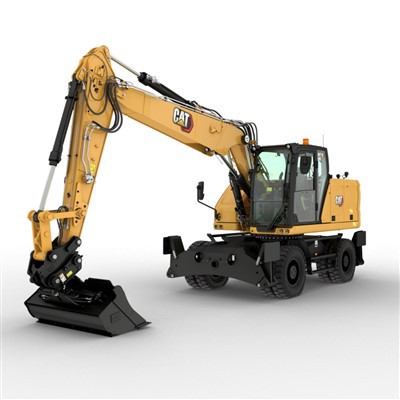

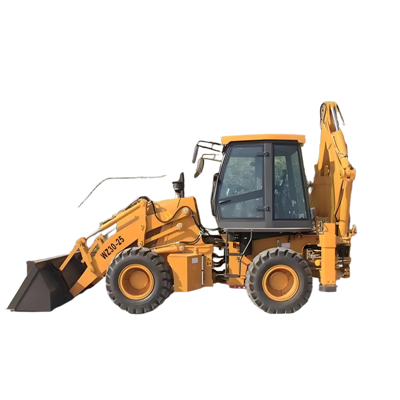

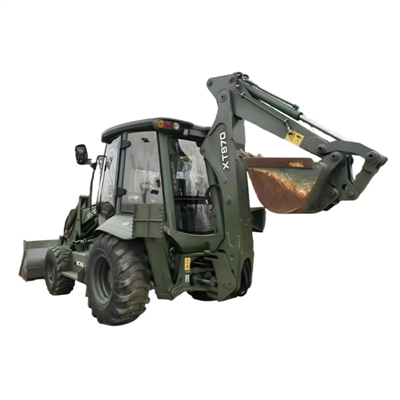
Wheeled excavator types and applications
|
Excavator class |
Indicative operating weight |
Typical applications |
Key selection factors |
|
Compact / midi |
6–9 tonnes |
Urban utilities, pipe installation, confined-area excavation |
Machine width, tail swing, maneuverability |
|
Standard utility |
10–16 tonnes |
Road maintenance, municipal works, general excavation |
Digging range, lifting capacity, travel speed |
|
Heavy-duty |
18–22 tonnes |
Industrial sites, recycling yards, heavier material handling |
Hydraulic output, stability, attachment requirements |
These weight ranges are indicative market segments, not confirmed product offerings. Actual model availability, operating weight, and working capabilities must be verified with the supplier.
Technical specifications
The following table identifies key specifications buyers should compare when evaluating wheeled excavators. Exact values must be confirmed against the selected model's technical datasheet.
|
Specification |
Buyer confirmation requirements |
|
Operating weight |
Standard equipment, counterweight, and attachment configuration |
|
Engine and rated power |
Engine model, rated power, rated speed, and applicable emissions configuration |
|
Bucket capacity |
Bucket type and rated capacity |
|
Maximum digging depth |
Boom, arm, and bucket configuration |
|
Maximum digging reach |
Manufacturer's performance chart and measurement conditions |
|
Maximum travel speed |
Model-specific speed and road-use limitations |
|
Main hydraulic pump flow |
Rated flow, operating pressure, and auxiliary circuit specifications |
|
Slew speed |
Manufacturer's published operating value |
|
Machine dimensions |
Transport dimensions, overall width, height, and tail swing |
|
Lifting capacity |
Model-specific lifting chart, working radius, and blade or outrigger configuration |
Important: No model-specific performance values are presented as verified in this table. The supplier should provide the actual datasheet before quotation or publication of numerical specifications.
Hydraulic attachments
Confirm auxiliary flow, operating pressure, return-line requirements, and control compatibility for hydraulic breakers, grapples, tiltrotators, and other attachments.
Stabilization and working equipment
Depending on the model, configurations may include a dozer blade, rear outriggers, and different boom or arm arrangements. Check the manufacturer's lifting chart for the intended operation.
Cab and operator controls
Confirm air conditioning, control layout, operator seat options, cab protection, and applicable ROPS/FOPS documentation where required.
Tires and axle configuration
Select tire types and axle arrangements according to surface conditions, traction needs, road travel, and manufacturer recommendations.
OEM and private label
Subject to supplier capability and order requirements, customization may include paint colors, branding, selected attachments, electrical configurations, and telematics options.

Quality control and inspection
Buyers should evaluate quality assurance through documented procedures, inspection records, and model-specific test results.
Structural inspection
Confirm inspection methods, acceptance criteria, and available records for critical structural welds and components.
Hydraulic and functional testing
Request applicable test records covering hydraulic pressure, cylinder operation, leakage, steering, braking, travel, swing functions, and safety systems.
Pre-shipment inspection
Agree on inspection scope, acceptance criteria, required documentation, and defect-resolution procedures before dispatch.

Model and order configuration
Confirm operating weight, engine, emissions configuration, attachments, tires, optional equipment, and destination-market requirements.
Bulk orders and OEM projects
Discuss available production capacity, minimum order quantities, customization scope, lead times, branding, and inspection arrangements.
Spare parts support
Request a model-specific spare parts list covering scheduled maintenance items, filters, seals, and other applicable replacement components.
Technical documentation
Confirm availability of the operator's manual, parts catalogue, maintenance schedule, hydraulic diagrams where applicable, and technical datasheet.
Production capacity, customization options, and delivery schedules should be confirmed for each order.
Shipping, warranty and after-sales support
Shipping arrangements
Choose a suitable transport method based on machine dimensions, weight, loading arrangements, shipping restrictions, and any required disassembly.
01
Export documentation
Agree on the commercial invoice, packing list, transport documents, origin documentation where applicable, and destination-specific compliance paperwork.
02
Warranty terms
Confirm the warranty period, operating-hour limit, whether the time or operating-hour limit applies first, exclusions, claim procedures, and responsibility for labor and transport costs.
03
After-sales support
Ask about technical troubleshooting, spare parts availability, service documentation, and expected parts-order processing times.
04
Regulatory compliance
Verify applicable emissions requirements, CE marking where relevant, and other required documentation for the exact model and destination market. Do not assume that one configuration meets every market's requirements.
05
Frequently asked questions

Request a quotation
Request pricing and technical information for wheeled excavators for distribution, rental fleets, or construction projects.
Application requirements
Describe the intended work, ground conditions, and expected road travel.
Machine configuration
Specify the target operating weight, digging range, hydraulic attachments, tire requirements, and optional equipment.
Order details
Provide the estimated quantity, destination country, OEM requirements, and target delivery schedule.
Technical and compliance requirements
Identify the required engine emissions configuration, supporting documentation, inspection scope, and after-sales expectations.
Best Heavy Industry (Shandong) Co., Ltd. is one of the most professional wheeled excavator manufacturers and suppliers in China, featured by quality products and good price. Please rest assured to buy cheap wheeled excavator made in China here from our factory. Contact us for more details.
Brand New Excavator, wheeled excavator, Fuel Efficient Excavator