

Product overview
An industrial jib crane is a lifting system designed to move loads within a defined workstation or production area. It consists of a supporting structure, a rotating cantilever arm, and a hoist for lifting and lowering materials.
For distributors and equipment dealers, jib cranes can be configured for different load capacities, arm spans, mounting arrangements, and control requirements. Contractors and industrial buyers should evaluate the lifting load, working radius, available headroom, installation conditions, and applicable safety requirements before selecting a model.
Rated load capacity: 0.25–5 tons, subject to available models and configuration.
Arm span: 2–7 meters, subject to model and rated load.
Rotation: Up to 360° for suitable pillar-mounted configurations; wall-mounted rotation depends on the design and installation.
Operation: Manual or electric hoisting, with rotation options depending on the selected configuration.


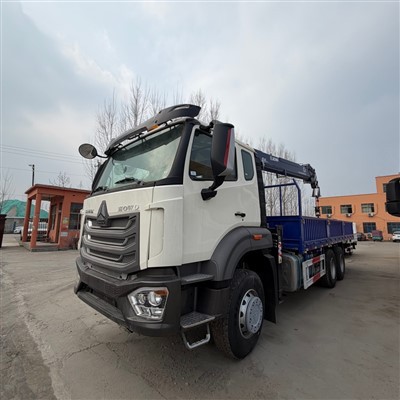
Jib crane types and applications
|
Type |
Structure and rotation |
Typical application |
|
Pillar-mounted jib crane |
Supported by an independent floor-mounted pillar; rotation depends on the design, with 360° available on suitable models. |
Workstation lifting, assembly areas, and designated material-handling zones. |
|
Wall-mounted jib crane |
Attached to a suitable building column or wall structure; rotation is limited by the arm design and surrounding obstacles. |
Production lines, machine tool loading, and workstations where floor space is limited. |
|
Articulated jib crane |
Uses an articulated arm to reach around selected obstacles within its designed working envelope. |
Workstations with restricted access or complex positioning requirements, subject to model availability. |
Final selection should account for the load path, working radius, available clearance, mounting structure, and required lifting frequency.
Technical specifications
The following values are preliminary selection references. Confirm the applicable model data and engineering requirements before ordering.
|
Specification |
Reference or available option |
|
Rated load capacity |
0.25–5 tons; confirm model-specific ratings |
|
Arm span |
2–7 m; confirm load capacity at the selected span |
|
Rotation angle |
Up to 360° on suitable pillar-mounted models; configuration-dependent for other types |
|
Hoist type |
Electric chain hoist or wire rope hoist, subject to compatibility |
|
Hoist operation |
Manual or electric, depending on configuration |
|
Rotation operation |
Manual or electric, depending on configuration |
|
Power supply |
380 V / 50 Hz / 3-phase stated as a reference configuration; confirm before ordering |
|
Structural material |
Q355B stated as a proposed material; confirm grade and applicable standard |
|
Arm construction |
I-beam or box girder, subject to structural design |
|
Surface treatment |
Shot blasting and protective coating; confirm the specified preparation grade and coating system |
Engineering note: Rated load, arm span, structural section, deflection, hoist selection, and mounting design must be evaluated together. A material grade or component specification alone does not establish the load capacity or performance of the complete crane.
Arm span and lifting height
Specify the required working radius, hook height, headroom, and load dimensions. The selected configuration must suit the available installation space and required lifting range.
Rotation limits
Mechanical stops or electrical limit switches may be available, depending on the model and control design. Confirm the required rotation range and clearance from walls, machinery, and other equipment.
Power supply and controls
Pendant controls or wireless radio remote controls may be available. Confirm the required voltage, frequency, phase, control arrangement, and whether manual or electric rotation is needed.
Hoist and cable system
Hoist capacity, lifting speed, and power-feed arrangements should be selected to match the operating requirements. Festoon cables or enclosed conductor systems can be specified where supported by the design.
Mounting and foundation
Pillar-mounted cranes require an engineered anchoring and foundation solution. Wall-mounted cranes require verification of the supporting structure and attachment points. Final requirements depend on crane loads, mounting geometry, and site conditions.
Material and fabrication checks
Material certificates, welding inspection records, dimensional checks, and coating inspection can be specified according to the agreed quality plan. Confirm which records are available for the selected model.
Weld inspection
Non-destructive testing methods, such as ultrasonic testing or magnetic particle testing, should be selected according to the weld configuration, applicable requirements, and inspection plan. Confirm the inspection scope and acceptance criteria before ordering.
Load testing
Static and dynamic load tests should follow the applicable standard and approved test procedure. Test loads, acceptance criteria, and inspection records must be confirmed for the specific crane. Do not assume a particular test ratio applies to every model or market.
Standards and market requirements
Applicable requirements depend on the destination market, crane design, installation conditions, and intended use. Confirm the relevant design standards, machinery safety requirements, conformity assessment, and documentation before placing an order. CE marking or compliance with OSHA or ASME requirements should only be claimed when supported by the appropriate evidence.

OEM, wholesale and bulk supply
OEM and private label
Custom paint colors, nameplates, and product documentation may be available subject to supplier confirmation and order requirements.
Batch orders
Multiple cranes can be specified for factory projects, equipment distribution, or multi-site procurement. Confirm model quantities, configuration consistency, production capacity, and delivery schedules before order confirmation.
Packaging
Packaging can be planned according to component dimensions, transport mode, and destination requirements. Where regulated wood packaging is used, confirm the applicable ISPM 15 requirements and supporting documentation.
Shipping, installation and after-sales support
Delivery schedule
Production lead time depends on the selected model, engineering approval, order quantity, component availability, and production schedule. Confirm the delivery date in the quotation or order confirmation.
Installation documentation
Request installation instructions, electrical diagrams, foundation or anchoring information, and maintenance documentation applicable to the selected configuration. On-site or remote technical support should be confirmed before purchase.
Spare parts and maintenance
Confirm the availability and lead time of replacement parts for the selected hoist, rotation mechanism, controls, and other serviceable components. Maintenance requirements should follow the manufacturer's documentation.
Frequently asked questions

Request a technical quotation
To receive a suitable technical and commercial proposal, provide the following information:
Rated load capacity: Required lifting load in kg or tons.
Arm span or working radius: Required horizontal reach in meters.
Lifting height: Required hook height and available headroom.
Mounting arrangement: Pillar-mounted, wall-mounted, or articulated design.
Operating conditions: Indoor or outdoor use, lifting frequency, and relevant environmental conditions.
Power supply: Voltage, frequency, and phase, where electric operation is required.
Control and hoist requirements: Manual or electric operation, lifting speed, and preferred control method.
Installation details: Available floor space, supporting structure, foundation information, and site constraints.
Destination market: Country of installation and applicable safety or conformity requirements.
Order quantity and customization: Required quantities, preferred finish, private labeling, and documentation needs.
Best Heavy Industry (Shandong) Co., Ltd. is one of the most professional jib crane manufacturers and suppliers in China, featured by quality products and good price. Please rest assured to buy cheap jib crane made in China here from our factory. Contact us for more details.
jib crane, Straight Boom Truck Mounted Crane, Knuckle Boom Truck Mounted Crane